
You flip the switch expecting normal brightness, but instead, your lights barely illuminate the room. Or maybe everything dims suddenly when the air conditioning kicks on. Dimming lights in your house can range from a minor annoyance to a sign of something that needs immediate attention.
Understanding why your house lights are behaving strangely helps you know when you can handle the problem yourself and when it’s time to bring in help.
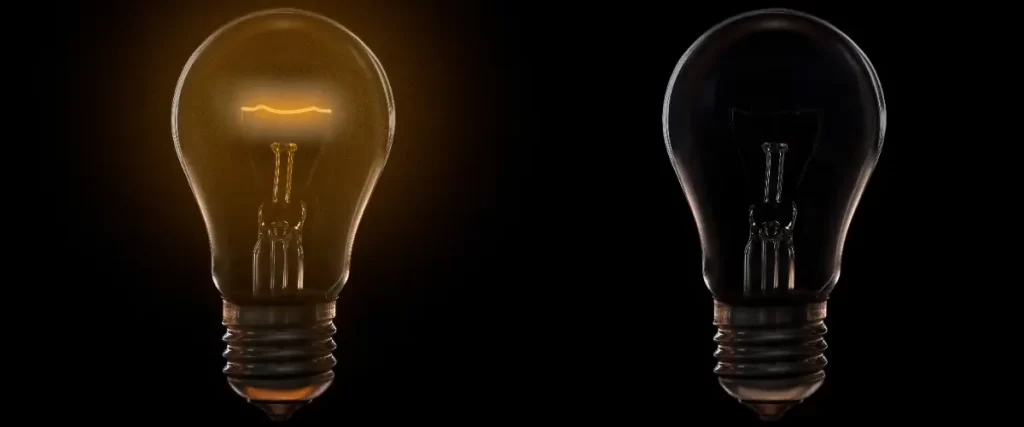
Common Reasons Your House Lights Are Dimming
Overloaded Circuits
When too many devices pull electricity from the same circuit, there simply isn’t enough power to go around. You might notice this happens when you’re running the microwave, toaster, and coffee maker simultaneously. The lights dim because the circuit is struggling to supply everything at once.
Space heaters are particularly notorious for this. They draw substantial power, and if they’re on the same circuit as your lighting, you’ll see the effect immediately.
Loose Connections
Over time, electrical contacts can loosen where wires connect to fixtures, outlets, or the breaker box. These loose connections create resistance, which limits the flow of electricity to your lights. The problem might affect a single light fixture or multiple fixtures, depending on where the loose connection occurs.
Sometimes you’ll notice the dimming or flickering gets worse when there’s vibration in the house. That’s a clear sign something isn’t making proper contact.
Voltage Fluctuations
Your home’s electrical system should maintain a steady voltage, but several factors can disrupt this. When large motors start up, they temporarily pull significant power. The AC starts running, and suddenly the room gets a bit darker. Hair dryers and other heating elements can have similar effects.
If voltage fluctuations happen frequently throughout your house, the problem might extend beyond your home’s wiring. The power grid itself could be experiencing issues, or there might be a problem on the power company’s side of the meter.
Old Wiring
Houses built decades ago weren’t designed for today’s electrical demands. Old wiring may not have the capacity to handle modern appliances and electronics. Outdated wiring also deteriorates over time, developing corrosion and weak points that affect performance.
Aluminum wiring, common in homes built during the 1960s and 1970s, poses particular concerns. It expands and contracts more than copper, leading to loose connections more easily.
Faulty Light Bulbs or Fixtures
Sometimes the answer is simpler than you’d expect. A bulb that isn’t screwed in completely won’t get full power. LED bulbs can be incompatible with certain dimmer switches, causing strange behavior even when you’re not using the dimmer function.
The light fixture itself might have corroded contacts or damaged components. Before assuming you have serious electrical issues, check the basics.
Voltage Drop
When electricity travels long distances through wiring, it naturally loses some strength. This voltage drop becomes more noticeable with undersized wires or very long wire runs. You might see this in additions or detached structures where the wiring runs far from the main panel.
Problems with the Neutral Wire
The neutral wire completes the electrical circuit and provides a return path for current. An open, neutral, or loose neutral connection creates an extremely dangerous situation. You might see lights brighten and dim seemingly at random, sometimes getting much brighter than normal before dimming again.
This condition damages electronics and creates serious safety hazards, including fire risk. If you suspect a neutral wire problem, stop using affected circuits immediately.
How to Diagnose Dimming Lights
Start by observing patterns. Do lights dim when specific appliances turn on? That suggests an overloaded circuit or undersized wiring serving that area. Does the dimming affect your whole house or just certain rooms? Widespread dimming often indicates issues with the power supply or main panel.
Check your circuit breakers. If one feels hot or has tripped repeatedly, that circuit has a problem. Look at the bulbs themselves. Try replacing them with new ones of the correct type and wattage for the fixture.
Test outlets and switches for warmth. Heat indicates resistance from poor connections or other electrical problems. However, opening up electrical boxes or panels yourself risks serious injury if you don’t know what you’re doing.
Pay attention to burning smells or buzzing sounds. These warning signs mean you need professional help right away.

Solutions for Dimming Lights
For Overloaded Circuits
Redistribute your devices across different circuits. Plug high-draw appliances like space heaters into dedicated circuits rather than sharing with lights and other items. If your house simply doesn’t have enough circuits for your needs, adding new ones requires electrical work by a licensed electrician.
For Loose Connections
Tightening connections at light fixtures you can safely access might solve the problem. Turn off the power at the breaker first, then carefully check that bulbs and any accessible wiring connections are secure. For connections in the breaker box or within walls, you need professional help.
For Voltage Problems
Contact your power company if you suspect the issue originates with power lines or the transformer serving your home. They can test the voltage at your meter. Issues on their side get fixed at no cost to you.
When the problem is house wiring, solutions vary based on the root cause. Circuit overload requires load balance changes or additional circuits. Voltage drop needs heavier gauge wiring.
For Old or Faulty Wiring
Rewiring isn’t a DIY project. Improper installation creates fire hazards and doesn’t meet electrical codes. A licensed electrician can assess your electrical system and recommend whether you need partial updates or complete rewiring.
For Neutral Wire Issues
Never attempt to work on neutral wire problems yourself. These situations are extremely dangerous and require immediate professional attention. The risk of electrocution or fire is very real.
When Dimming Lights Signal Danger
Most causes of dimming lights are inconveniences rather than emergencies. But certain symptoms demand immediate action:
- Burning smells from outlets, switches, or the electrical panel
- Scorch marks on outlets or switch plates
- Lights that brighten significantly before dimming
- Buzzing or crackling sounds from electrical components
- Dimming is accompanied by a shock when touching appliances
These signs indicate potentially dangerous conditions. Cut power to affected areas and get professional help immediately.
Why Professional Help Matters
Electrical systems are complex, and mistakes can be fatal. You might think you’re saving money by handling things yourself, but the risks often outweigh any savings. Licensed electricians have the training to work safely around high voltage, the tools to properly diagnose problems, and the knowledge to fix them according to code.
They also carry insurance that protects you if something goes wrong during repairs. When they pull permits for major work, inspections ensure everything meets safety standards.
Let Us Handle Your Electrical Issues
Reading through all these potential causes and solutions might leave you feeling overwhelmed. Our team at Crosswyre Electric has seen every kind of dimming light scenario, from simple fixes to complex rewiring projects. When you need an emergency electrician because the problem can’t wait, we respond quickly to restore safety and functionality to your home.
We’ll diagnose the problem accurately the first time and present you with clear options for fixing it. Our licensed electricians bring years of experience working with both modern and older electrical systems. We understand that electrical problems disrupt your daily life, so we work efficiently to restore normal operation.
You can call us at (610) 214-2179 or message us here to schedule a visit. We’ll help you get those lights back to full brightness safely and reliably.