
Ever looked at exposed wiring in your basement and wondered if it’s safe? Or you’re planning a renovation and your electrician keeps mentioning different conduit types, leaving you completely lost?
Here’s the thing: conduit for electrical wiring isn’t just another construction term to gloss over. It’s what stands between your electrical system and potential disaster.
Your home’s wiring carries electricity through walls, under floors, and sometimes right where moisture or physical damage could strike. That’s where conduit comes in.
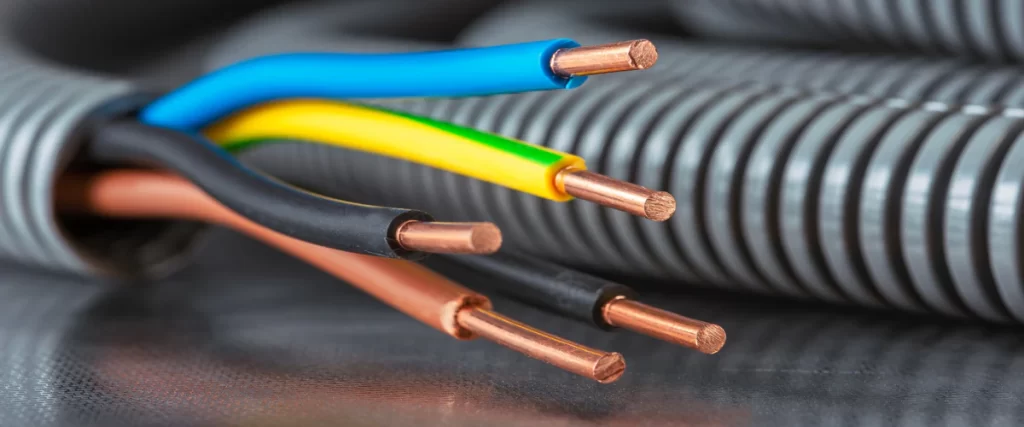
What Is an Electrical Conduit and Why Does It Matter?
Electrical conduit is protective tubing that houses your electrical wires and cables. It shields them from moisture, impact, and environmental damage while making future repairs way easier.
Instead of tearing through drywall to replace a damaged wire, you can often pull new wiring through existing conduit.
The National Electrical Code sets specific requirements for when and where you need conduit. Some areas require it for all wiring, while others only mandate it in specific situations. But regardless of local codes, conduit adds a safety layer that’s hard to beat.
Understanding Different Types of Conduit
Let’s break down each conduit type in detail. Each serves a specific purpose, and understanding the differences helps you choose the right ones for your project.
Metal Conduit Options:
- Rigid Metal Conduit (RMC) – The heavyweight champion made from galvanized steel or aluminum, offering maximum protection against physical damage and electromagnetic interference. You’ll find it in industrial settings and exposed outdoor areas, but it’s expensive, heavy, and requires special tools.
- Intermediate Metal Conduit (IMC) – Thinner walls than RMC but still highly durable, hitting that sweet spot between protection and workability. Many commercial projects choose IMC because it meets most code requirements while being easier to handle.
- Electrical Metallic Tubing (EMT) – Lightweight with thin walls, making it easy to bend and perfect for indoor commercial use with just compression fittings. Not ideal for harsh outdoor conditions or underground applications due to limited protection.
Non-Metallic Conduit Choices:
- Rigid PVC Conduit – Made from polyvinyl chloride, it’s corrosion-proof, lightweight, and dominates underground installations because it handles direct burial perfectly. It can’t bend without heating it, and temperature changes can make it brittle. The Occupational Safety and Health Administration provides installation guidelines for safe use.
- Electrical Nonmetallic Tubing (ENT) – Flexible plastic conduit that’s inexpensive and great for running wiring through walls during residential construction. Not approved for exposed locations in most situations.
Flexible Conduit Solutions:
- Flexible Metal Conduit – Bends easily around obstacles and is ideal for connecting to vibrating equipment such as motors or HVAC units. Not waterproof and has code restrictions on where it can be installed.
- Liquidtight Flexible Nonmetallic Conduit (LFNC-B) – Combines flexibility with moisture protection, making it perfect for outdoor equipment connections and wet areas. The nonmetallic construction resists corrosion while staying flexible for tight installations.

When Should You Use Electrical Conduit?
- Underground Work: Any wiring going underground needs protection. Rigid PVC conduit dominates here because it can withstand direct burial conditions and resist moisture indefinitely. Some regions allow direct burial cable, but conduit makes future wire pulling and repairs infinitely easier.
- Outdoor and Exposed Locations: Exposed electrical wires outdoors face UV rays, temperature swings, moisture, and physical damage. Metal conduit or UV-resistant PVC protects against all of it. For areas subject to impact, rigid metal conduit provides unmatched durability.
- Commercial and Industrial Settings: These environments often involve harsh conditions, heavy machinery, and strict code requirements. Metallic conduit options such as RMC, IMC, and EMT meet these demands. Many installations in commercial buildings use EMT for its balance of protection and cost-effectiveness.
- Wet and Damp Locations: Basements, crawl spaces, and outdoor areas need conduit that resists moisture. PVC works great here, as does liquidtight flexible conduit for connections. Standard flexible metal conduit won’t cut it in wet locations.
- Protection from Physical Damage: Anywhere wiring might get knocked, scraped, or crushed needs conduit protection. Garages, workshops, and low-mounted installations all benefit from the armor that rigid conduit provides.
Conduit Installation Tips
Getting conduit right means planning ahead. Calculate the number of wires going through each section to avoid overfilling. The National Electrical Code specifies maximum fill percentages to prevent overheating.
Use proper conduit bodies and fittings at every junction. Cutting corners here creates problems down the road. And remember, some conduit types require specific bending tools to avoid kinking or crushing.
Support requirements vary by conduit type and installation method. Metal conduit generally needs support every 10 feet, while PVC might require closer spacing depending on the application.
Sometimes things go wrong. When they do, access to reliable emergency electrical repairs can help you avoid extended downtime or safety hazards.
Special Considerations
- Corrosion Resistance: Coastal areas, chemical plants, and other corrosive environments demand careful material selection. While galvanized steel offers some protection, PVC or specialized coated metal conduit might serve better in highly corrosive conditions.
- Fiber Optic Cables: Data and fiber-optic cables need conduit, too. Many installations choose PVC or EMT to protect these sensitive cables from electromagnetic interference and physical damage.
- Temperature Extremes: Cold climates can make PVC brittle. Hot environments might exceed PVC’s temperature ratings. Always check manufacturer specifications against your local conditions.
Frequently Asked Questions
Can I run electrical wire without conduit in my home?
It depends on your location and the wiring method you use. Many areas allow Romex (NM cable) in walls and ceilings, but exposed areas typically require conduit protection. Always check local building codes first.
What’s the difference between EMT and rigid conduit?
EMT has thinner walls, making it lighter and easier to work with, but less protective. Rigid metal conduit offers maximum protection with thicker walls, but costs more and requires threading equipment.
Can I bury PVC conduit directly in the ground?
Yes, rigid PVC conduit is approved for direct burial at proper depths. Schedule 40 PVC typically goes at least 18 inches deep for residential use, though depths vary based on voltage and local codes.
How do I choose between metal and plastic conduit?
Consider your environment, budget, and code requirements. Metal offers better protection and grounding, while PVC excels in corrosive or wet environments and is less expensive.
Do I need conduit for outdoor lighting?
Usually, yes, especially for exposed wiring. Buried cable needs conduit, and wiring on exterior walls typically requires weather-resistant conduit for protection.
Can I reuse old conduit for new wiring?
Often, yes, if the conduit is in good condition and sized appropriately. That’s one of conduit’s biggest advantages over direct-wired cables.
Making the Right Choice
Figuring out which conduit type fits your project, ensuring proper installation, and meeting all code requirements gets complicated fast. Between calculating wire fill, choosing the right materials for your specific conditions, and installing everything to code, there’s a lot that can go sideways.
You may be better off letting professionals handle it. We know exactly which conduit works for your situation, have the proper tools, and understand local codes inside and out. Plus, professional installation means permits, inspections, and peace of mind knowing everything’s done right the first time.
Ready to get your electrical project done correctly? Call us at (610) 214-2179 or message us here to discuss your specific needs. Sometimes the smartest DIY decision is knowing when to call in the experts.