
Getting an electrical estimate right makes the difference between profit and loss. You need to account for every wire, every hour, and every hidden cost that shows up on the job site. Miss something small, and your margin disappears fast.
Electrical contractors who master the estimating process win more jobs and sleep better at night. The ones who guess or rush through estimates end up working for free or losing bids to competitors.
Understanding the Full Scope of Electrical Projects
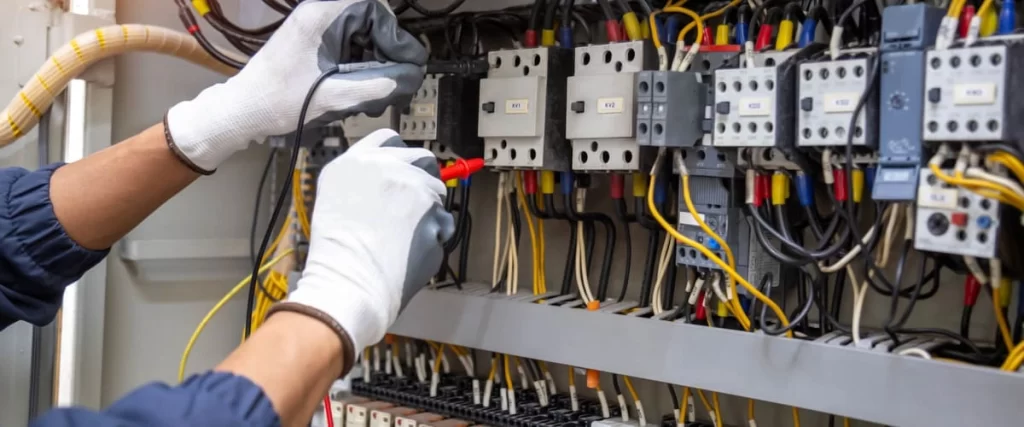
Before you put a number on paper, walk the job site. Look at the electrical system already in place. Check the electrical panels, count the electrical outlets, and review the electrical plans if they exist. Residential electrical work differs significantly from commercial electrical work in complexity and scale.
Talk to the client about what they actually need. Sometimes they want energy efficiency upgrades but don’t say it upfront. Other times, the electrical drawings show one thing, but the site reveals another. Your estimate depends on catching these details early.
Breaking Down Material Costs
Material costs form the foundation of your estimate. Start with a material takeoff from the project specifications. Count every electrical component: circuit breakers, wiring materials, lighting fixtures, electrical materials for conduit runs, and all the small parts that add up.
Prices change constantly in the construction industry. Call your suppliers for current pricing before you quote. What you paid last month might be different today. Some contractors keep a database from past projects, but always verify before you commit to a number.
Don’t forget to add a buffer for waste and unexpected needs. Wiring materials get damaged, measurements are off by a few feet, or you need extra electrical components for code compliance. Building in 5-10% coverage for these situations keeps you protected.
Calculating Labor Costs the Right Way
Labor costs require more thought than materials. You need to figure out how many workers you’ll need and multiply by their hourly rate. But that’s just the start.
Look at the electrical requirements and break the job into tasks. Installing electrical wiring in new construction moves faster than retrofit work in occupied buildings. Commercial projects often need specialized contractor qualifications that affect your labor unit calculations.
Time each phase realistically:
- Site preparation and layout: How long to mark locations and prep the workspace
- Rough-in work: Installing boxes, running wire, mounting electrical panels
- Finish work: Devices, fixtures, testing, cleanup
Factor in travel time to the job site, especially for service calls or small residential electrical work. Your crew isn’t productive while driving, but you’re still paying them.
Calculate the total labor cost by adding up all labor hours and multiplying by your loaded labor rate. This rate includes wages plus payroll taxes, insurance, and benefits. Many contractors underbid because they forget these labor expenses add 30-40% on top of base wages.
Accounting for Overhead Costs
Overhead costs exist whether you land this electrical job or not. Office rent, utilities, insurance, vehicle maintenance, licensing fees, and administrative salaries all need coverage. These indirect costs don’t tie to one specific project, but every estimate needs to carry its share.
Calculate your annual overhead, then divide by your expected billable hours for the year. This gives you an overhead rate to add to each job. Some electrical contractors use a percentage of direct costs instead, typically 10-20% depending on their business size.
Equipment rentals for specialized tools also fall into this category. If you need a lift, trencher, or testing equipment you don’t own, add those costs to your estimate.
Building in Your Profit Margin

After covering material and labor costs plus overhead costs, you need profit. Your desired profit margin depends on the job complexity, timeline, and competition level. Commercial electrical work often carries lower margins but higher volume. Residential electrical work might command 20-30% profit margins on smaller jobs.
Consider the risk level too. A straightforward panel upgrade has less uncertainty than a complete building rewire with unknown conditions. Price jobs with higher risk factors with adequate margin to cover surprises.
Choosing Your Electrical Estimating Methods
Different electrical estimating methods work for different situations. A flat rate works well for common residential electrical work like outlet installations or ceiling fan replacements. You know exactly how long these take, so you can quote a set price immediately.
For larger electrical projects, detailed estimates work better. List every task, material quantity, and labor hour. This step-by-step process takes longer but produces precise estimates that protect you and build client confidence.
Some contractors use electrical estimating software to speed up the process and reduce errors. These tools maintain databases of material pricing, labor units, and local regulations. They generate professional estimates quickly and help you track how the actual job cost compares to your estimate.
Double Check Everything
Before you submit your quote, review the numbers twice. Double-check takeoff quantities against the electrical drawings. Verify your labor hours make sense for the crew size and timeline. Confirm material pricing is current and complete.
Look at the entire project from start to finish. Did you include permit costs? Disposal fees? Access requirements or parking restrictions that slow work down? These details often hide until someone asks about them later.
Compare your total cost to similar past projects. If this job looks drastically different in price, figure out why. Maybe you caught something others missed, or maybe you made an error.
Staying Competitive While Protecting Your Business
The bidding process forces tough decisions. You want to win more jobs, but not at any cost. Research competitive pricing in your market, but don’t race to the bottom. Contractors who consistently underbid either cut corners or go out of business.
Focus on winning the right electrical jobs for your electrical business. Target clients who value quality work and understand that professional estimates reflect the true cost of doing things properly. Some customers only care about price, and they’re rarely the ones you want anyway.
Offer payment plans or phasing options when appropriate. This flexibility helps clients manage costs while keeping your pricing strategy intact.
The Reality of Accurate Electrical Estimating
Estimating electrical work accurately takes practice, patience, and attention to every detail. You need to know the estimating process inside out, understand all the costs involved, and stay up to date with material pricing and labor expenses.
The entire job depends on getting these numbers right from the start. Even experienced electrical contractors sometimes realize halfway through a project that their estimate missed something important. That’s when profit margins evaporate and stress levels spike.
Maybe you’re reading this and thinking about all the variables that go into proper estimates for electrical services. The material takeoffs, the labor calculations, the overhead factors, the profit margins. It’s a lot to manage, and one mistake in the estimate template can cost you thousands.
Or maybe you’d rather focus on the actual electrical work you’re good at and leave the hassle to someone else. If you need reliable electrical services without the estimating headache, we’re here to help. Check out our emergency electrical repairs for professional service you can count on. When you’re ready, call us at (610) 214-2179 or message us here. We handle everything from detailed estimates to completion, so you get quality work without the stress.