
A new furnace and AC cost somewhere between $5,000 and $12,000 for most homes, though that range can stretch well beyond that depending on what you need.
Unfortunately, most homeowners overpay or get caught off guard by hidden costs simply because they didn’t know what to ask.
In this article, we break down what actually drives the price, what to expect during installation, and how to make sure you’re getting real value for your money.
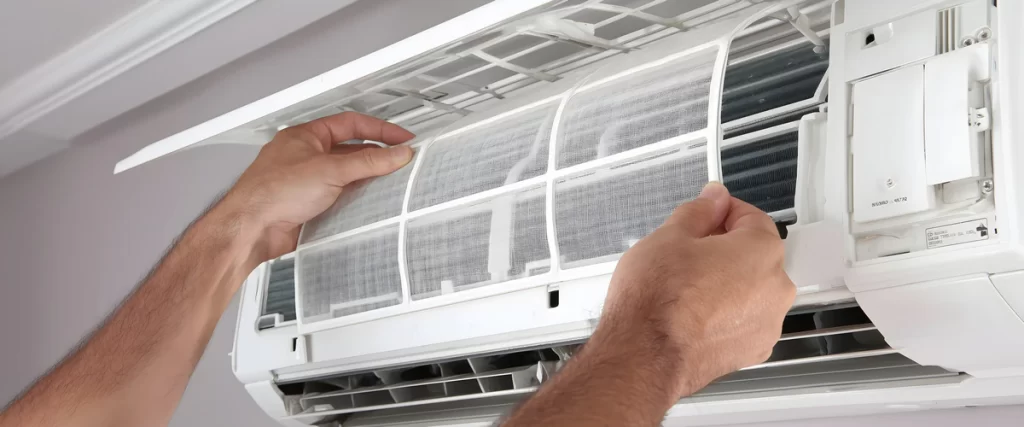
What Factors Drive the Furnace and AC Cost?
No two installs are the same. The price you pay depends on a handful of real variables.
Square footage is the biggest one. A 1,200 sq ft home needs a completely different system size than a 3,500 sq ft two-story. HVAC contractors use load calculations to figure out the right cooling capacity and heat output for your specific space.
Unit size matters more than most people realize. An oversized unit short-cycles constantly and wears out faster. An undersized one runs forever and still can’t keep up.
Fuel source plays a huge role, too. A gas furnace typically runs cheaper to operate long-term, but propane or electric furnace setups might be your only option, depending on your home’s infrastructure.
Other factors that shift the final number:
- Ductwork condition (or whether you need new ductwork entirely)
- Efficiency ratings like the SEER rating for cooling and the AFUE rating (annual fuel utilization efficiency) for heating
- Whether your home needs electrical upgrades to support the new system
- Crawl space installations versus standard basement setups
Typical Price Ranges by System Type
Here’s a general cost breakdown to give you a realistic starting point:
| System Type | Equipment Cost | Installation Cost | Total Estimate |
| Gas Furnace Only | $700 – $2,500 | $1,000 – $2,500 | $1,700 – $5,000 |
| Central Air Conditioner Only | $1,200 – $4,000 | $1,500 – $3,000 | $2,700 – $7,000 |
| Furnace + AC Bundle | $3,000 – $6,500 | $2,000 – $4,500 | $5,000 – $11,000 |
| Heat Pump System | $3,500 – $8,000 | $2,000 – $5,000 | $5,500 – $13,000 |
These are ballpark numbers. HVAC equipment costs fluctuate, and installation prices vary by region. If you’re in a metro area, labor rates tend to run higher.
The Hidden Costs Nobody Tells You About
This is where many homeowners get surprised: the equipment is just part of it.
- Ductwork can add $1,500 to $5,000 if your existing ductwork is damaged, undersized, or needs to be extended. Some older homes weren’t built with central air in mind, and getting ductwork where it needs to go takes real work.
- Electrical upgrades are another one. Modern high-efficiency systems, especially heat pump systems, often require a dedicated circuit or a panel upgrade. If your electrical panel is already at capacity, that adds to the project scope. It’s worth having an electrician assess this early. Companies like Crosswyre Electric handle electrical work alongside HVAC projects all the time, making the process much smoother than coordinating separate contractors.
- Permits and inspections are required in most municipalities. Budget $150 to $500, depending on your area.
Efficiency Ratings and Why They Actually Matter
Spending more upfront on an energy-efficient system can save a lot of money over time.
A higher SEER rating means less energy consumed per unit of cooling. The U.S. Department of Energy sets minimum efficiency standards for HVAC equipment, and newer regulations have pushed those minimums up significantly in recent years.
A standard efficiency gas furnace runs around 80% AFUE. A high-efficiency model hits 95-98% AFUE. That difference shows up on your energy bills every single month.
Variable speed blower motors are worth mentioning here, too. They modulate output rather than cycling on and off, resulting in quieter operation, more consistent temperatures, and lower energy consumption.
Smart thermostats pair well with new systems and can shave another 10-15% off your heating and cooling costs annually.

Should You Replace Your Furnace and AC at the Same Time?
Usually, yes. Your furnace and air conditioner share components, particularly the blower motor and the air handler.
If one system is 15 years old and you replace just the air conditioner, you’re pairing a new, efficient AC unit with old equipment that may not be compatible and will likely fail within a few years.
Replacing both the furnace and AC also offers additional benefits:
- One installation visit instead of two
- Matched efficiency ratings across your whole HVAC system
- Better warranty coverage (since components are designed to work together)
- Lower total installation costs compared to two separate projects
Furnace replacement alone can be the right call if your AC is newer. But if both systems are aging, bundling the replacement is the smarter move.
Tax Incentives Worth Knowing About
The Inflation Reduction Act extended significant tax credits for energy-efficient HVAC upgrades.
Qualifying heat pump systems and high-efficiency furnaces may be eligible for up to $2,000 in credits through 2032. That’s real money back in your pocket.
Some utility companies also offer rebates for upgrading to qualifying systems. So, check with your local utility provider before you buy.
FAQs About Furnace and AC Replacement
How long does a furnace and AC installation take? Most installs take one to two days. If new ductwork is involved or electrical upgrades are needed, it can stretch to three days.
What’s the lifespan of a new HVAC system? A well-maintained furnace lasts 15 to 20 years. Central air conditioners typically run 12 to 17 years. Heat pump systems fall in a similar range.
Can I replace just the AC without replacing the furnace? Yes, but it depends on the age and condition of your furnace. If your furnace is over 10 years old, it’s worth getting a professional assessment before going the single-unit route.
How do I know what size furnace I need? An HVAC contractor does a load calculation based on your square footage, insulation, window count, and local climate. Don’t let anyone size your system based on square footage alone.
What causes HVAC costs to spike unexpectedly? A few common culprits: poor ductwork condition discovered during installation, electrical upgrades needed for the new system, or crawl space access that requires extra labor. Getting a detailed quote upfront helps prevent costly repairs.
Is financing available for HVAC installation? Most reputable HVAC companies offer financing options. Some manufacturers also offer promotional rates.
Just Skip the Headache
There’s a lot to juggle here. Equipment choices, efficiency ratings, ductwork, electrical work, permits, and rebates. Making the wrong call on any one of these can cost you significantly over time.
The easiest move is just calling a professional company you can trust. The right contractor handles the load calculations, the permits, the electrical coordination, and the installation, so you get year-round comfort without having to become an HVAC expert overnight.
Call us at (610) 214-2179 or message us here, and we’ll take it from there.